TL;DR
Today’s real estate agents rely heavily on technology to work efficiently and deliver strong client experiences. A high-quality smartphone, camera gear, virtual tour tools, CRM systems, digital signature platforms, and social media/marketing tools form the essential tech stack for modern agents. Access to MLS platforms is also critical for market insights and listing management. As digital tools continue to redefine the industry, aspiring agents and future brokers can gain a competitive edge by building strong tech skills through professional real estate training. Career College Group offers programs to help learners master the tools used daily in today’s real estate marketplace.
Today’s real estate industry moves quickly, and technology has become one of the most powerful tools a real estate agent can rely on. Whether capturing property photos, scheduling showings, designing marketing materials, or managing client relationships, the right tech stack can drastically improve efficiency and client satisfaction.
For new agents entering the field or professionals looking to modernize their workflow, understanding which tools matter most is essential. Below, we explore the must-have technologies that support success for both agents and aspiring real estate broker professionals.
Essential Tech For a Real Estate Agent: High-Quality Smartphone and Camera Gear
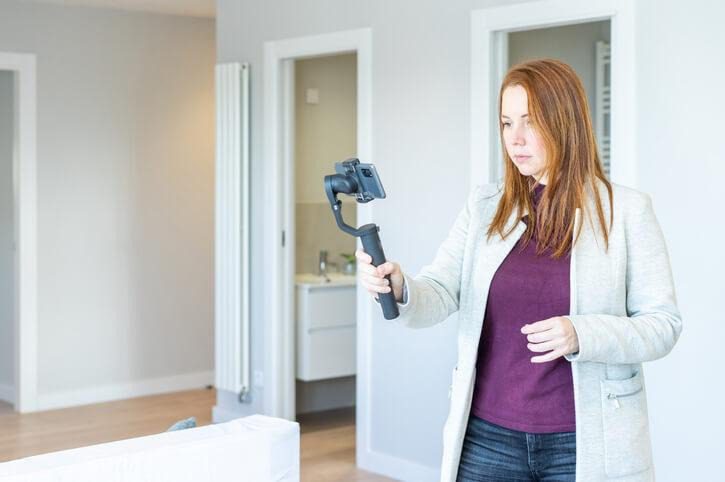
What equipment do real estate agents need? At the most basic level, every agent needs a high-quality smartphone. It acts as a camera, communication hub, marketing tool, and administrative device all in one. Strong cameras help capture listing photos, create videos, and record quick walkthroughs for clients.
Many agents also invest in stabilizers, wide-angle lenses, or lightweight mirrorless cameras for professional-grade photos. Strong visuals help maximize listing appeal and attract more potential buyers.
Virtual Tour and 360° Imaging Tools
Matterport, Zillow 3D Home, and other 360 camera systems are useful options, but tool selection should consider current platform support, including the fact that Zillow no longer displays Matterport tours.
Agents who use these tools often stand out in competitive listings because of virtual tours:
- Save time by pre-qualifying buyers
- Provide an immersive, transparent experience
- Increase engagement with out-of-town or international clients
Professionals training through a real estate course learn why high-quality digital tours are now essential in today’s marketplace.

Real Estate Customer Relationship Management (CRM) Systems
Successful agents rely on CRM systems to manage leads, clients, follow-ups, and transaction timelines. Platforms like Top Producer, Follow Up Boss, and HubSpot enable agents to automate reminders, organize contacts, and track interactions across multiple channels.
A CRM helps ensure no client inquiry goes unanswered, and no deadline is missed. This tool is especially critical as agents scale their business or move into real estate broker leadership roles.
Electronic Signature and Document Platforms
Paperless transactions are now the norm, and real estate professionals rely on secure digital signing tools such as DocuSign, Dotloop, and Authentisign. These platforms enable clients to sign offers, disclosures, and agreements remotely, thereby speeding up the transaction and reducing administrative delays.
A real estate agent can also use digital forms libraries that comply with provincial or brokerage-specific requirements, ensuring consistent and compliant paperwork.
Digital Marketing and Social Media Tools
Real estate success requires strong marketing skills. Agents use:
- Canva for graphic design
- Instagram, Facebook, and LinkedIn for branding
- Google Workspace for communication
- Scheduling tools like Hootsuite or Buffer
These platforms help agents advertise listings, share updates, and build name recognition, critical skills discussed further in our guide on the skills needed to be a real estate agent in Ontario.
Property Search and MLS Platforms
Access to local MLS systems is essential for staying updated on market trends, comparable listings, and new inventory. These tools also allow a real estate agent to create listing alerts for clients and analyze data to support pricing decisions.
Reliable access to MLS is a requirement regulated by organizations such as RECO, and agents can learn more on their website.
Your Next Step: Build Strong Technical Skills Through Training
As technology continues to reshape the real estate industry, agents who master digital tools gain a clear advantage. Whether you are just beginning your journey or preparing to advance into real estate broker responsibilities, training matters. Enrolling in a comprehensive real estate course helps students gain hands-on experience with the essential tools, systems, and technologies used daily in the industry.
Are you looking for a comprehensive real estate course?
Contact Career College Group for more information.
Frequently Asked Questions
Question: What equipment do real estate agents need?
Answer: At the most basic level, every agent needs a high-quality smartphone. It acts as a camera, communication hub, marketing tool, and administrative device all in one.
Question: What technology do real estate agents use?
Answer: Virtual viewing experiences have become standard in the modern market. Tools like Matterport, Zillow 3D Home, and 360° camera systems allow buyers to tour properties online from anywhere in the world.