Turn RECO Simulation Sessions Into Your Superpower
RECO simulation sessions can feel huge. They blend knowledge, judgment, forms, and real client-style pressure into one high-stakes experience. For aspiring real estate agents and brokers in Ontario, they are a major step between studying and getting licensed.
They also come with real stress. Many students feel time pressure, performance nerves, and information overload, all while balancing work, family, and everyday life. At our school, burnout is not a badge of honor. We care about smart effort, good habits, and your well-being.
In this post, we walk through a clear plan to handle simulations with confidence, protect your energy, and keep steady progress from spring study season into busy summer exams, without running yourself into the ground.
Redefine Success so Burnout Never Feels Necessary
First, we need to change how we see simulations. They are not a final verdict on whether you are “good enough.” They are practice labs where you can test choices, get feedback, and try again. When you treat them as learning reps, the pressure shifts from perfection to progress.
Instead of only chasing results like “I must pass this on the first try,” focus on process goals you can control, such as:
• Number of focused 25-minute practice blocks you do in a week
• How many mock scenarios you work through
• Short reflection notes you write after each session
• One specific skill you aim to improve, like timing or client communication
When you tie these goals to what actually matters to you, motivation gets stronger. Maybe you care most about:
• Serving clients with clear, honest information
• Making ethical choices even when things feel rushed
• Building a long-term real estate career, not just passing one step
Now success is not “I never made a mistake.” Success is “I learned something today that will help a real client later.”
You can also shape your week so it feels hard but doable. For spring and early summer, a sustainable structure might look like:
• 2 or 3 simulation practice blocks on weekdays
• 2 short review sessions for rules and forms
• 1 longer weekend block for a full mock simulation
• At least 1 full rest day with no real estate study
When you see rest as part of the plan, not a guilty break, you are less likely to crash right before key deadlines.
Build a Simulation Study Plan You Can Stick to
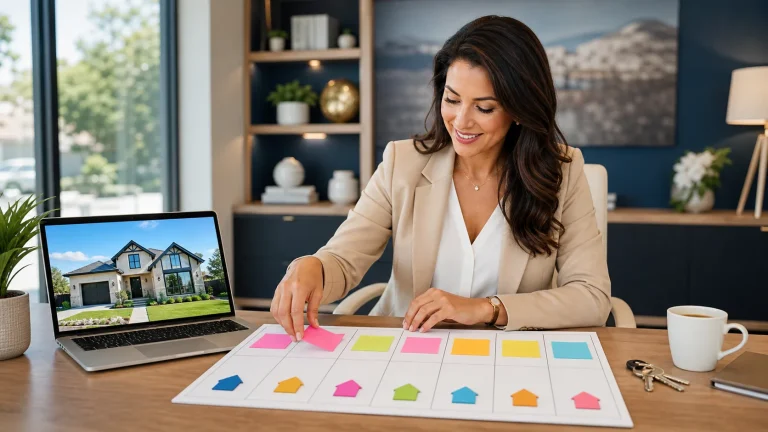
Next, let’s build a 4 to 6 week prep calendar that matches real life. Your plan has to account for work shifts, kids’ schedules, long weekends, graduations, and even cottage trips if you are in Ontario enjoying the warmer weather.
Start by mapping your biggest fixed items: work hours, family duties, and any non-movable events. Then slot in study blocks where your brain is usually fresher, not just wherever there is leftover time.
Break simulations into smaller pieces so they feel less heavy:
• Scenario review: read through the situation, spot key issues
• Rules and forms practice: align what you did with RECO rules and required forms
• Communication drills: say client explanations out loud, like you would in a real meeting
• Reflection time: after each attempt, jot down what went well and what felt messy
Short, sharp blocks often beat long, unfocused marathons. Even a 20 to 30 minute chunk can be powerful if it has a clear task.
We also recommend using recreation classes or low-stakes hobbies as anchors in your schedule, not prizes you only get after you “deserve” a break. For example:
• A weekly fitness class on the same night
• A casual pick-up sport with friends
• A creative class like art, dance, or music
These activities are not a waste of study time. Movement, social time, and fun help your brain store information and come back sharper.
At Career College Group, Real Estate, students can mix tools like:
• Cohort schedules with a clear timeline
• Self-paced study for extra flexibility
• Instructor office hours for questions
• Peer groups and chat spaces for support
When you match these supports to your life, your plan becomes something you can actually follow, not just a wish on a calendar.
Use Cohorts, Coaching, and Recreation to Stay Sharp
Studying inside a cohort has real benefits, especially for simulations. You share the same deadlines, talk through tricky scenarios, and learn from each other’s questions. Group role-plays can feel awkward at first, but they often mirror the real conversations you will have with clients.
To get more from instructors and coaches, try:
• Coming with 2 or 3 specific questions, not “I don’t get anything”
• Practicing real-world scripts, like explaining a clause or handling a concern
• Asking for feedback on one area at a time, such as timing, clarity, or compliance
Recreation classes and group activities are also part of a strong performance routine. When your body is active and your mind has outlets outside of real estate, you can handle stress better. Regular movement, creative outlets, or community groups support focus, sleep, and emotional balance.
You can also lower stress by giving people around you a clear picture of your simulation schedule. Simple scripts help:
• “I have practice sessions on Tuesday and Thursday evenings, can we plan family time on Friday?”
• “This month is heavy with simulations, so I will be less available on weeknights, but Sundays are open.”
• “I am in an important prep period, it would help me if we could keep noise down during these hours.”
When your support system understands your plan, they are more able to protect your time and energy.
Master Simulation Strategy Like a Licensed Pro
On simulation days, what you do before, during, and after matters as much as what you know.
Before the session:
• Do a quick review of key rules and forms, not a full cram
• Eat something simple, drink water, and avoid trying new heavy foods
• Set a small focus goal, such as “I will manage my time calmly”
During the session:
• Timebox sections so you do not get stuck on one part
• Use short notes or highlights to track details without overthinking
• If stress spikes, try slow breathing: in for 4 counts, out for 6, a few times
You can also use grounding tricks, like feeling your feet on the floor or noticing 3 things you can see and 3 things you can hear. These small resets stop nerves from taking over.
After the session:
• Take a short break instead of jumping straight back into study
• Note what felt smooth and what felt rough while it is fresh
• Turn any mistake into a specific “next time I will do X” action
Study like a future agent, not just a test taker. That means focusing on:
• Client needs and clear explanations
• Ethical choices when there is more than one possible action
• Real-life scenarios you are likely to face, not just memorizing lines from a rulebook
Try different environments to see what suits you: a quiet corner at home, a campus space, or a local library. Mix in tools like study groups, online practice, short walks, or recreation classes between blocks to find your best focus zone.
Turn Today’s Simulation Wins Into Tomorrow’s Client Wins
As you move through multiple simulations, start capturing your own playbook. Ask yourself:
• What routines help me feel calm and ready?
• Which study blocks give me the most learning per minute?
• How much rest do I need before I perform well?
Write down what works and what does not. You can reuse this playbook for the next licensing step, brokerage training, and even ongoing professional learning later in your career.
The skills you build in RECO simulations do not stay in the classroom. They show up when a real client is stressed, when a deal has a surprise issue, or when you must explain something clearly under time pressure. You are training your brain to stay steady, think clearly, and choose the right action.
At Career College Group, Real Estate, our focus is on both competence and well-being. With flexible learning formats, supportive instructors, and a community that actually cares about how you are doing, you do not have to choose between passing and staying healthy. Pick one small change from this guide to try this week, whether it is revising your study plan, joining a cohort session, adding a recreation class, or setting up a short debrief time after each simulation, and build from there.
Take The Next Step Toward Your Real Estate Goals
Explore our upcoming recreation classes to build confidence, expand your skills, and stay current with industry trends. At Career College Group – Real Estate, we design each session to be practical, engaging, and directly applicable to your work. If you have questions about which options are right for you, feel free to contact us so we can help you plan your next move.
Stay in
the loop
Follow us